Showing posts with label flipped learning. Show all posts

Monday, 6 July 2015

#PedagooLondon2015

Very swift blog post following on from a session I delivered to this year's (inspiring!) #PedagooLondon2015 conference...

Apart from the sheer joy of getting to meet forces for positivity such as the likes of @Kevbartle, @hgaldinoshea, @Edutronic_Net@joeybagstock and several other personal heroes(!), the conference gave me the opportunity to reflect on my own practice, collect my own thoughts on how well it was going, and be realistic in my appraisal of the major obstacles I was facing. Through the ensuing debates about the validity of what I was proposing as a pedagogy on Twitter, you'll see there were plenty of questions which are hard to answer over 140 characters, so if you would like to engage in debate and discussion, please feel free to email me, or leave a comment.

If anyone wants some practical help with implementing the nitty-gritty of this stuff in their school, I'm sure mine will be happy to release me. Probably for a fee. Don't go thinking I get a cut of it neither!

Anyway, here are the slides...


Flipping the classroom using mobile technology

Monday, 17 November 2014

The perpetual anxiety of education

This blog post follows a series of events which have clearly contributed to its central idea: These events include (in no particular order), a summer holiday where I truly reconnected with myself for the first time in ages, a set of excellent exam results across the Faculty I lead, a first half-term which nigh-on wiped that feel-good factor out, a Middle leadership meeting that left me feeling the overwhelming weight of national educational change coming soon, a well-being meeting where we tinkered around the edges but never really got to the crux of the problem, and a graded observation which was Good (with some outstanding features) but didn't really reflect what I've been doing this year.

What I've been doing this year is mostly consolidating a range of pedagogical tweaks I've learnt, mostly thanks to Twitterati (@headguruteacher, @HuntingEnglish, @ICTevangelist, @jkfairclough, @kathydarlison85,  @hgaldinoshea and @ragazza_inglese to name a tiny proportion) but also some fantastic colleagues at my school, and formalising them into concrete lessons via our new FROG OS VLE (a school development area). The VLE has been useful in helping me get to a really deep level of flipped learning, which I've always wanted to do, to the point where I have several classes where some students are now lessons ahead of others, and really powering through the learning. It has increased the independence of a significant number of the most motivated and able students I teach, and at the same time highlighted just how teacher-dependent some of my least able are. It has also, frustratingly, pushed me back in pedagogical terms by preventing me from combining the VLE with all of the great things I've learnt from two years of working with iPads, because the two won't talk to each other. All of which is irrelevant to the actual post, but you need the context to see why this topic is important to me.

The feeling I have at the moment is a horrendously negative feeling that I hate, because I'm not that man. I see myself as a positive person, someone who leads by example and encouragement. But at the moment I feel like quitting. I don't feel that moving up the career ladder to leadership positions is the answer, but I'm not enjoying where I am either. And I can't work out why.

Except today, it hit me. Like an epiphany. A more bleeding obvious epiphany you will probably never hear, and I appreciate that the first sign of publishing this will be greeted by a chorus of "Duh!"s, but here it is anyway. It's called the Perpetual Anxiety of Education. It's the result of the Accountability Matrix. Yes, probably very similar to the one your heard about in the Wachowski brothers' film, but not quite as entertaining. It starts with targets. As soon as targets are formulated, your job is to meet them. Aspirational or not makes no difference, you still have to meet them. And as a teacher, you spend your entire year in this state of anxiety about students meeting their targets. This of course is exacerbated by senior management, who have the same worries, but spread across the whole school, and with often only indirect power to do anything about it: Hell with a side order of chips! The less control you have, the more anxious you are likely to be. Hence the plethora of "accountability measures" deployed in order to keep checking that everyone is doing their utmost to hit those targets.

Copyright: Jantoo
As a teacher, this constant surveillance makes it very difficult for you to put it out of your mind, hence why I called it a perpetual state of anxiety. And there are few teachers who can do their job effectively without communicating this anxiety to the students. Thus the students themselves are also afflicted by the same perpetual anxiety. Ask the Year 11s in my mentor group who, despite my support and encouragement, feel this overwhelm from all sides. Because of course it's not simply teachers who are putting the pressure on, but parents as well. Are their kids doing as well as the others in their class? In their year group? In their school? What about other schools? Could we be sending our kids to a better school? What about the education system itself? Is it too soft? Is it "fit for purpose"? Is it really preparing my child to do career capital battle with that wiry, hungry little Singaporean kid I hear so much about in the papers, with his 25 hours extra tuition a day on top of his fifteen hours of regular school, per day...? Perpetual anxiety.

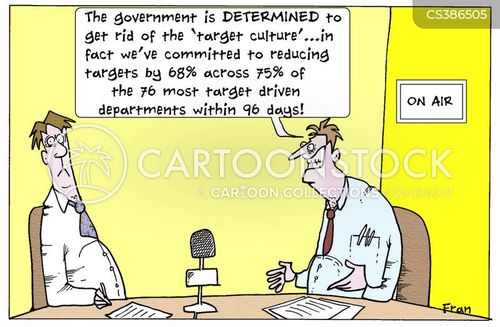
Now let's go back to this situation in schools. We have leadership whose job it is to deliver the targets, who have least classroom time to do it in. Their only weapons are by proxy, and they have to deploy these increasingly atomistic dictats to get the rest of their staff to get to "best practice" at all times: Do you have your MUST SHOULD COULD? Do your students know their targets? Their Working at Grades? Was the homework you set meaningful? Was it marked that day? Was it responded to in a meaningful ongoing dialogue which lasted until seconds before the exam? Did you push the students along at the perfect pace for them to cope while maintaining consistently high expectations etc? Don't get me wrong: This is NOT an anti-SLT rant, because I've been on the verge of going for these sorts of positions myself for a year or two, and the thing which has always stopped me is this very question: What would I do differently? You see, I think the vast majority of teachers and leaders are good people with the best of intentions, but these are too often warped by the target culture. The accountability matrix. What happens when you meet your target? That's a moot point to be honest. Because the vast majority of teachers only hit their target when the exam results come out. Even if you've hit them beforehand, the criticism is that you've under-estimated your target, you haven't been aspirational enough. So here's a higher one. But once the exam results are out, we have a week to celebrate the achievement of 51 weeks of anxiety-ridden stress, before 1) sending the students off to their next life stage, which will be even more target-riddled than the last, and 2) beginning a whole new round of targets of our own. Hamster-wheel, anyone?
Copyright: Cartoonstock.com

And then we come to the staff well-being meeting. Where nobody can work out quite why staff aren't responding über-positively to the Friday morning cakes, the fruit bowl in the staff room, the staff silly jumper day and the disaggregated day off. These are drops in the ocean of a culture which is otherwise dominated by doubts about whether you could be doing that little bit more to hit those targets. The anxiety is the permanent, low-level background noise which defines the existence of many teachers on a day to day basis.

What's the worst thing about this state of perpetual anxiety? I'm not sure that this is just about education. There is a very good argument for saying that this pretty much covers the majority of our social ills at the moment, in a society which seems hell-bent on better and more rather than sufficient and happy. But I know which I would prefer if given the choice of how to live my life. And that's a BIG "if"...

Wednesday, 4 June 2014

Technology tools that support new teachers

Being a new teacher can be daunting. To be honest, even when you've taught for many years, a move to a new school can make you feel almost entirely like a beginner again. The nature of teacher is that students listen when they respect you, and rarely before that point. Your job as the teacher is to establish high expectations, behaviour boundaries, and what I used to call "the deal": "You guys work hard, and I'll make your learning worthwhile and engaging".

Behaviour for learning

RandomMaster
As such, the first thing to establish is your behavioural expectations, and I would say it's worth sweating the small stuff. New teachers often say that the added distraction of students using mobile devices is just another discipline headache they don't want to have to deal with, hence they don't go near technology. Personally, I think that if students are misusing technology, what you have is a behaviour problem, not a technology problem, and it should be treated as such. A few little routines, however, can make a real difference. Things like "screens off" time while you explain tasks, and insisting on tablets and devices being flat on the desk where you can see them go some way to creating the attention levels and transparency of use that you want. The same goes for acceptable noise levels, no hands up during questioning and creating an atmosphere in which students are allowed to speak without fear of others criticising or interrupting are the bedrock of good classroom dynamics. A couple of really useful little apps I've found are RandomMaster and Too Noisy (really good for Primary classrooms!)
Too Noisy
RandomMaster is a student selection app: Pre-enter the students' names, and it simply randomizes them as necessary, in front of their eyes on the AppleTV, and there's no arguing, and no bloody lollipop sticks! It can be used to put students into groups, pick the student to answer a question at random, and assign roles within groups (Expert, scribe, researcher and so on). 

Too Noisy is an ambient volume level measurer: You set what is an acceptable level of noise while the class are working independently, and the display will show students when it is getting too loud, without you having to tell them every two minutes. Again, it's simple stuff, but it makes your expectations clear from the off.

Amongst the other apps you can use are things like timers to stop some students dominating class discussion, and spinners to assign random questions. 

A great tool for this is Triptico which, if you've never seen it, gives you loads of little animated apps such as timers, spinners, scorers, task selectors, word magnets for labelling, order sorters, thinklink hexagons (if you're a SOLO Taxonomist, which isn't as creepy as it sounds!) and various different quiz formats. It's absolutely brilliant if you're working on a desktop or laptop or whiteboard, especially as you can run multiple activities on a screen at once (timer, quiz, student selector etc) BUT it's not yet available as a mobile device app, which is a shame for people like me who don't like swapping between devices for tasks in class. As a new teacher, that might not seem like such a big deal, but every moment you spend getting round tech problems is a moment the class can go off-task and off-boil. The fewer of those you have, the better at the start. That said, it's still well worth checking out...

Triptico is a nice little link to the next, most important part of teaching:

Engagement

Before we start, a caveat: Beware of using technology in and of itself as a "thing". In terms of engaging students, this is short-termism at its worst. The fact that students are using mobile devices does not mean you have their attention. Sometimes it means you have a good deal less of it than you think. And it definitely doesn't necessarily mean they are learning! But it does offer you a huge variety of new worlds to explore from within your classroom. And it's the tasks that you set which will engage students or not. So think carefully.
  • Fun activities are one way to make learning fun and effective, so use apps like Triptico to make the learning enjoyable.
  • Differentiation is another key area which mobile technology can help you with if you want to engage all students. It makes it considerably easier to assign students different materials depending on their ability levels. "Flipping the classroom" is something I really rate as a means of differentiating work, and allowing students to work at their own pace (See my post about Flipped Learning here), and technology makes it very easy to distribute these different resources to different students, whether it's over your VLE, through Youtube playlists or web-pages (you can collate these easily on Pinterest for instance), or simply sending out different electronic resources via email. Want to make it flash?  Use QR codes or augmented reality apps like Aurasma or Layar.
  • Getting your students to show their learning in different ways which are more accessible from whatever stage they are at is one of the great uses of technology in teaching. Some students are ultra-bright in certain areas, but can't show their learning in writing yet. It's important that they learn how to write well, but nevertheless, a student can create a brilliant Science report or MFL monologue without being able to write it down, especially if tech is at your side. Try using apps like Explain Everything to allow them to create videos with their own written or verbal commentaries to show you their learning. Tellagami is another lovely little app which allows students who are a bit shy to speak their findings through a cartoon character, with background pictures to illustrate their learning. Or for longer projects which are intended to develop written skills, what about getting your students to create their own interactive books, with video links, hyperlinks, pictures, and even quizzes. Apple's iBooks is a great way to do this, but I tend to go with Creative Book Builder for its simplicity, and the fact that Apple don't get to put a whole stack of obstacles between you and the sharing of your work! (Apple? Proprietary about their software? You jest, I hear you not cry...)
  • Finally, technology is more than ever about communication, especially with the advent of mobile tech. It gives you the ability as a teacher to bring the outside world in, make the learning relevant to that outside world through face-to-face interactions (Skype, FaceTime, Google hang-outs). Our own Science department did a superb project with NASA last year, communicating weekly over Skype to talk to their experts about global warming, and to help them with aspects of their work. I can't tell you how many sparks were lit by that single project, but the students still talk about it today.
  • And it's not just about bringing the outside world into your classroom: It's as much about getting the work of your students out there. Primary schools are now getting their students to blog their learning to other schools internationally, and forging international relationships with other students. Blogger is free, it's connected to a Google e-mail account, and it's easy enough for a monkey to use, as the last 500 words should easily attest. My own personal ambition for my film students is for their work to be known before they even leave our school. We formed the Finham Film-Makers Society, we set up a dedicated Youtube playlist from the department channel, and already the students are starting to gain the sort of exposure they will need to succeed in a competitive business. Can you imagine doing that ten years ago?
  • Before we end though, a second caveat. Once your use of technology is confident, re-appraise what you're doing in the light of the most crucial question: How far does this enhance learning? Are you using technology and time to create resources which are having no impact on learning? Have a look at the SAMR model below, and if you think you're just substituting stuff, take a step back. Either re-think what you're doing, or give it up. Life's too short to spend time on tasks which don't benefit your students. Re-formulate your task in the light of what you want students to learn, and you'll soon start to work your way up the ladder.
The SAMR model: How transformative is your practice?
I could write another whole section down here on another of the most important aspects of good teaching and learning, which is Assessment for learning. But you know what? You've probably had enough reading for the day. Conscientious blog-readers such as your good selves will probably have a stack of other (far more interesting and erudite!) blogs to be getting on with, so we can cover Socrative, GoogleDocs, and all those delights at a later stage. We could even set it for homework. Let's go crazy. In the meantime, for those of you just starting out, I wish you all the best. It's a great profession.


Sunday, 19 January 2014

Lesson Observation for Real

Last month I blogged about a lesson I taught in front of a number of colleagues from around the city of Coventry as part of our Partnership Plus CPD programme. An OFSTED inspector was present, and the rationale behind the lesson was to not only see a different type of lesson, but also to hear an Inspector's thought processes when observing it and judging it.

At the time, 70 plus colleagues attended and saw the lesson live, but I'd forgotten that it had been video recorded as well. My thanks for this go to @AlternativeLive for recording and editing this for us. I received it yesterday, and have been poring over it this morning (with mounting embarrassment, it should be said!). One of the things which has struck me however is the fact that the cameraman has captured a lot of aspects of the event that I didn't remember while writing the blog. The other thing I've really enjoyed reviewing is the comments and questions which followed the lesson (from about halfway through - Feel free to skip through my bits!): The students are talking about their learning and their experiences in class, the teachers are asking really good questions about what was happening, whether technology was useful in moving learning on, and what OFSTED's views on it would be. The OFSTED Inspector's comments were really useful for me to now reflect upon too, as was the ability to see my teaching in action, and I would honestly say that, while it scared the bejeezuz out of me at the time, it's a really useful reference point for me to use to tweak aspects of my delivery, my task-setting, my explanations, and my body language.

So anyway, I thought that in order to share a little of what I do, I would put the video up for perusal. Please go easy on me personally: The bags under the eyes are a clear testament to the 1 a.m. return from a West End trip two nights before. But any comments on how I can improve my teaching, or comments on how people viewed it afterwards, are most welcome.

http://www.youtube.com/watch?v=frySoGxNKxI&feature=youtu.be&a
By the way, I apologise for breaking with tradition and not providing any form of silly cartoon at any point in this blog: I think after you've watched the video it will be clear that I've already offered by far and away enough entertainment material for you already!


Friday, 6 December 2013

An outstanding lesson using mobile learning?

Recently I was asked / was volunteered to lead something called a "lesson observation for real" in Coventry. This is essentially a lesson taught in the round in front of anything up to 100 colleagues and, crucially, an OFSTED registered Inspector. The rationale behind it lies not in the inspection of the lesson for a grade, but the sharing of the inspector's thought processes when observing the lesson, and illuminates the (at times unfathomable) thinking behind it all. As a teacher, I think it's useful to be able to hear that explained with regards to a lesson I can watch live, although I'm not sure that as the person conducting the lesson I was aware of much more than the slight niff of me crapping myself throughout! Not a nice image to leave this first paragraph on.

Hopefully you've followed me through to this second paragraph. You'll be pleased to know that, if you have, the worst of the offensive language is over at any rate. Preparing for the lesson was a bit of a nightmare, especially as the closer we got to the event, the more people I knew told me they were coming to see it. As Billy Connolly once said, it's like being forced to sing in front of your aunties! My brief was simple: The previous lesson observations for real run in Coventry (there are at least two or three a year) had tended to focus on KS3 and KS4 classes. This time they wanted to see some KS5 teaching, and it had been suggested that it would be good to see some practical use of mobile technology as part of teaching and learning. As half of my timetable is KS5 and I have been leading our school's BYOD roll-out so far, that was me pretty much dropped in the sh*t and "volunteered" (there's that niff again...)". I had to start thinking...

So, if I were creating a perfect lesson using mobile learning what would it involve? Well, of course the first thing it would have to do is focus on the learning, not the apps. I would think about learning and visible progress or at least visible problem-solving, and frame those into learning outcomes. For me, it would probably involve SOLO levels as a clear way of demarcating progress from one level of skill to the next, which means it would need a baseline. I also tend to think my best lessons would allow the students to select their tasks (according to SOLO levels), and set their own learning objectives in doing so. It's also important for me to give them freedom in their methods of presenting their learning to me and to the class, as that seems to engage them much more. I don't think that just because students get to post-16 study they are any less likely to be disengaged by poorly conceived tasks and activities.

Once I've got that idea of the elements I want to include in the lesson, that's when I'd start to think about apps and the technology.

Another couple of key considerations were how to demonstrate progress and learning. Don't get me wrong: I'm fully aware of the OFSTED dictat which stipulates that they must look for evidence of "progress over time", not progress within a twenty minute segment of a lesson. But the fact remains that students who have had a lesson in which there has been no learning or challenge are not likely to make progress over time either. As such I wanted to include a presentation of the students' work at the end of the lesson for myself and the rest of the class to see, and I wanted to punctuate the lesson with good hinge questions which interrogated what they were doing, and how well they were doing it.

So this is what I came up with...

The starter activity was a Socrative quiz: Five questions, each of which would tell me their ability to work at a certain SOLO level. I could then analyse the results very quickly, see what levels they were working at, and direct them towards tasks at that SOLO level. (By the way, if any of you have not come across SOLO Taxonomy as a pedagogy before, check this out, and then get yourself involved in the SOLO Taxonomy network).


I should say at this point that on the back of my task sheets was the summary (left) of how I felt the SOLO levels equated (roughly) to the sorts of grades the might get in the exam. The students are all aware of their "working at" grades, and the grades they themselves have targeted, and could then refer to this summary as a way of seeing how far they had made progress not only in relation to the difficulty of the tasks, but also in relation to what they wanted to ultimately achieve by way of grade.

If students were struggling with definitions for even the most basic analytical terms and techniques, they would do the Uni-structural activity: They would be given a list of key subject terminology relevant to the lesson which they had to be able to define and remember by the end of the first twenty minutes. Using Quizlet, a great little flashcard creation app, they were asked to look up these terms, write the definitions for themselves on the back of the electronic flashcard, and then use the 'Test" facility within the app to see how many they could get correct.


If they got over 80% of the answers correct twice in a row, I'd be pretty certain they had learnt the terms, and move them swiftly on to the tasks at the next level. (The fact that this app is self-marking is an easy AfL win as far as I'm concerned)

The following activity involved the students showing me that they could recognise a variety of the techniques they'd learnt in the first activity in practical examples, to take their knowledge beyond the abstract. Using one of two apps (they could choose whichever they felt most comfortable with, Thinglink or Explain Everything), the students were sent a still image from the film we were analysing, which was also an AURA* which could activate the scene itself on Youtube straight to their devices (I could have done this with a shared QR code too, but most of the students went for the Aura). They had to use their key terms to label the techniques used in the still, and then add others used in the scene itself which might not be evident in a still image (use of editing, soundtrack and diegetic sound etc). The task was peer marked with overview from me, making sure that the students' ideas were correct, and questioning them individually to test the solidity of their knowledge. While from the lesson plan you'd have thought there was very little teacher involvement in the lesson at all apart from setting up the activities, this is where I think the beauty of SOLO lies. It frees up the teacher to test every individual and make these individual interventions where necessary. Even in a 30 minute lesson last night, I managed to spend some good time with each student answering questions, clearing up misconceptions, questioning and guiding students individually if they were having difficulties. That level of differentiation is hard to do when you're teaching a whole class I think.

Towards the top of the class, the students were working more in pairs, bashing ideas off each other in response to a task which asked them not only to look at the techniques used in the scene and their connotations, but relate them directly to the intellectual, emotional or visceral reactions they might cause in audiences. In a nutshell, the students had to work out why the techniques were used by the director, and whether they worked on all sorts of different audiences. This then allowed me to add additional hinge questions about why they felt certain audience members would react one way and other audiences would react another way. The students embedded the scene clip from Youtube into Explain Everything, labelled the techniques and connotations, and then created an audio commentary on what was happening in the scene, and what they were personally feeling, thinking etc, and then wrote down the key audience effects, and worked out the key techniques used to generate them. They could then create a summary annotation from their thoughts, and send it to me for marking via email (or export it as a movie). I think if the lesson had gone on longer, this would have been a longer task to give time for a deeper level of thinking, and once I'd checked the projects they'd produced, I would have them exported as movies and put on our Youtube channel so as to teach other students further down the SOLO scale. I accept that they could simply have taught this verbally as a presentation in front of the class without the need for tech, but the fact that this "lesson" would have been curated under our online resources is a powerful augmentation of the task which makes coming back to the material at a later date for revision purposes easier for students.

The final activity on the SOLO scale was given much more time to complete, as it involved thinking about things at a much more profound level. Students were asked to recreate the effect of the Schindler's List scene using different techniques of their own. They could cast it differently, use different camera shots, sounds and edits, and even change the setting and contents of the scene. The task relied on students knowing what Spielberg was trying to achieve in the scene in the first place, relating this back to their prior knowledge on how to create emotional effects in viewers, and using previous work on different filmic techniques to create a new unique piece of their own. Think about that task for a second and ask yourself how easy it would have been for you to do yourself. I think I would have found it difficult, and it's my subject area! But by the end of it, the students who had attempted it were thoroughly immersed in the creative task, and you could see they had really been thinking about it. (As the questions started coming from the audience after the session, she pulled me aside and asked if she could carry on with the task!!)

Here was an activity where the tech did more than simply assist the task, it transformed it. The students could approach the task one of two ways, either by taking stills from Schindler's List itself, and narrating their ideas over it using an app called Tellagami (they hate presenting in person, so this app gives them the chance to disguise themselves. It's very quick to set up a character, and gives them plenty of time for thinking the problem through, though I have to watch that they aren't getting over-distracted by dressing their character up nicely!). This then acts as a presentation for other students, which would be given as the plenary in the lesson to show others a complex response to a higher level task, and again, is archivable on the Youtube channel.

The alternative approach to this task was to show how they would have done it rather than offering a verbal commentary, using a storyboard app called Cinemek. The app allows students to take photographs of themselves and their classmates recreating a scene, and annotating movements, dialogue (they can write as a script or record as audio if they want to perform it), camera movements and edits in such a way that it can all be strung together as one scene at the end. It's a really great app I use constantly because it gets film-makers thinking on a much more technical level about how they show a scene rather than tell a story, but it can be used for a whole number of sequencing and commentating functions in other subjects. In this case, none of the students during the observation used it because frankly, in front of a bunch of other teachers, I think they were embarrassed to be taking pictures of themselves in costumes and theatrical poses! That said, it's certainly an option I would use in other creative and "normal" lessons taking place in my own environment (rather than the gladiator arena of public scrutiny!).

The half hour lesson gave me plenty of scope for asking questions, for individual interventions, and moving students forwards, but in a full hour's lesson, I would have ended with the students showing their work to me, or at the top end, to the rest of the class, becoming the "experts in their field" by way of a plenary. I would have rounded off with a repeat of the same Socrative quiz as they came in with, slightly modified to make them think a little more. If they've made progress, I should be getting more complex answers to the questions they were initially reasonably insecure about, and an ability to answer the more complex questions at a higher SOLO level.

After the session the students and I took part in an interesting Q&A discussion about what the teachers and the HMI had seen. It was clear that several of the onlookers had concerns that the learning they had seen had not been "traditional", and many were anxious that there had not been a clear end goal for the whole class. I think my students were brilliant in answering many of these questions, as they made it clear that this model of learning allows them to learn at their level and their (albeit challenging) pace. There were perhaps concerns about how "visible" the learning was, but it was all there on the students' iPads. There was a definite sense of engagement from every student, but where, I was asked, was the progress after 20 minutes? A question which comes from having it ingrained in us that we must demonstrate progress in 20 minute chunks, I suspect. Fortunately, the HMI was fully supportive, and pointed to the fact that we are looking at lessons as an indicator of challenge and progress for all, but only as one factor in judging the key criteria, which is whether or not students made progress "over time". My students could show how these types of lessons have clearly made them think much more deeply, and could show people examples of their GoogleDocs essays, with my comments, which demonstrated this progress. The key to showing progress in SOLO is to show students improving their skills to a point where they can attempt more difficult and profound thinking tasks, and as far as the HMI was concerned, the movement of students from one task to the next, after careful checking by the teacher, was clear evidence of progress. Huzzah!
Copyright 2005 by Randy Galsbergen

Now I shall wait for the nervous tension to subside, and get back to my normal life... Maybe.

By the way, I should also at this point like to publicly thank my colleagues who encouraged me to do this, and supported me with their kind words. Most importantly, I want to thank the members of my Year 12 and Year 13 Film Studies classes for their help in being guinea pigs for this session: They were truly brilliant, magnificent ambassadors for the school and for our style of learning. My sincerest gratitude. Cakes on the way...


* If you want to see how Aurasma works for yourself, simply download the free app (Android link here), find fpsmediateacher in the search section and follow, and then hover the aura target over this picture: If you've done it right, it should turn into a purple swirl, play a weird video quickly, and if you tap on that weird video, it will take you to the link for the scene on Youtube. Simples.


Addendum: I understand that the video of the lesson may be made publicly available in a few days time. I'm not sure this is a great idea from my point of view (I don't think I got my hair right for a start, and the suit/tie combo I'm told was not up to scratch!), but if anyone is interested, please let me know and I will see if I can get a link to put on the blog.

Saturday, 15 June 2013

10 Ways to use a Youtube channel in education

Youtube: The ultimate distraction (apart from Twitter, but that's for grown-ups, right?).

A marmite resource which teachers either love or hate. Personally, I love it. Marmite me up all day long, if you will. It provides a never-ending source of educational videos, inspiration, challenge, provocation and kittens launching themselves at erratic torch-beams wielded by sadistic owners waiting for their cat to splat into a wall and bag them £500 from "You've Been Framed". What's not to like?

Apart from the cats bit, that's why I started our own Finham Park Media Youtube channel. It's been building up gradually over the last few months, the longer I've been on my journey to explore how iPads and BYOD technologies can be used to enhance my own teaching and learning practice (previously blogged about here and here, so forgive me if I don't go over old ground). I've found it an invaluable companion to this journey, so I thought I would share the countless opportunities Youtube offers educationalists in this blog*. In the form of a list. So you can count them. Ahem...

1. The simplest way to use Youtube is as a place of stimulus and discussion for class topics. A video URL can easily be set as research, to provoke debate, to extend thinking for more able students or to help explain something more simply for those having trouble getting to grips with a new concept. Once the students watch the video you've shared, the comments section below allows for the debate to occur. If you "Favourite" the video, it will appear in your channel, and you can then direct students to your channel, and supervise and moderate what they're saying, especially if you have set this as a homework task.

2. I love using Youtube as a place for flipped learning videos too: I create a very simple video, say a tutorial on a concept I'm teaching, an app or piece of software I need students to be able to use, or instructions for hardware such as cameras, particularly useful for subjects like ICT, Media, Photography, DT, Music etc (example here). A Youtube channel allows you to curate all of your videos in one easily-accessed place for your students.
  1. Video tutorial
    I then set it as homework for students to watch and take notes on, so that they come to the lesson knowing how to do what I've been describing, or as a minimum, having questions they want clarifying. The ability to review the videos as often as they like allows the students not to feel they have to move at the same middle-ground pace as the rest of the class, and personalises the learning a little more. Allowing questions right from the start of the lesson also allows me to differentiate from the start, allowing those who know what they're doing to get right on, while I can spend time helping those who had questions. I should say at this point that I am aware there has been much criticism of the Khan Academy approach to flipped learning, about the boring videos and inaccuracies, 
    but these criticisms mostly miss the point, which is the principle that if you create a video of information you've already taught in class, it can not only be accessed any time to refresh the students' memories, but it can also be done slightly differently to differentiate, be that to stretch the most able, or to assist the less. The great thing about having these videos on your own channel is that you can arrange them into playlists on the same subjects, and have the playlist order follow the same logical order that students should tackle them in, gradually getting harder. the students are improving their skills with every video, but tackling each new topic at their own pace, once they fell they have mastered the preceding step.
3. I tend to use flipped video lessons in conjunction with Ted-Ed, a brilliant resource in itself which I've described elsewhere. It allows you to take any TED or Youtube video and create quizzes based on the videos which students can undertake as the test of how well they have done their homework, and be used as the basis for differentiation from the start of the class. The test immediately shows who has not done the homework, who has done it but needs more input, and who should be moved on straight away. The quizzes can be done different ways, in class, using different software, or even paper if you're into that sort of thing, but the TED-Ed quiz facility has a few nice features (such as hints about where in the video the answer lies if students struggle, and a self-marking facility) which add to the variety of your teaching.
4.  The same principle applies to teachers. I use my Youtube channel to help other teachers with app tutorials to help them work out how to make best use of certain apps to improve their teaching and learning. Again, all of these are arranged into playlists, by topic, to make them hopefully easier to find. I learnt a lot from other teachers who have put tutorials on Youtube (@eyebeams was one particular early inspiration), and a Youtube channel for me just felt like an easy way to share things I was showing teachers in my own school. 

5. However, new media technologies take us way beyond simply finding things other clever people have done, and this is where your own Youtube channel comes into its own. For a start, if your students create their own video work (on phones, iPads, at home, on PCs etc), it is the place to store it for later referral, for assessment (remember, you can comment on their work from there). The process of uploading is incredibly easy once you have the video file, or even more automatic from certain apps which are already linked to Youtube.

6. This also acts as a public showcase for your students' work, which is a huge incentive for them. You need their permission to share this work publicly (you can upload things to Youtube but keep them private, or stipulate that only people in your classes can see them), but if they and the people they filmed are happy with it, you can then open the channel up to more public eyes and exposure. This knowledge that anyone could come across their work can really sharpen their focus and inspire students to produce over and above their usual class efforts.

7. Not only that, but if your students are serious about their work, the channel acts as a networking opportunity for your students, to allow others to see what they have done, and allow them to talk about and discuss their work with industry professionals. It might even get them noticed by someone really important, but even if they're don't get signed for their first multi-million dollar film deal, the channel opens up the way for discussions with people who can help them to improve their practice. In one recent example, a friend of mine who works on video effects saw the work of a student and started a conversation with them about how they could get better, and different techniques they could use. hey presto, the student's next piece was even better. Feedback from an expert certainly carries more weight than mine does (apparently!).

8. The discussion and comments sections for videos also allow an opportunity for extended peer feedback: By sharing the links with other schools, you allow your students to put their work before a broader audience of their peers, and a broader range of criticism. This acts the same way as the way other colleagues share their class blogs between schools, and with the same positive effect in my experience.

9. Additionally, I think having your own channels allows you to share your students' work with other teaching professionals, providing an opportunity for moderation. Anyone who finds themselves in my position of working in a small department without a budget to send you to those costly moderation meetings will appreciate the ability to share your links with other professionals and get their opinion on the marks you're giving, or how the work could be improved, especially if you're feeling a bit too close to the work to be objective.

10. Finally, there is a great deal to be said for how far a Youtube channel gets you noticed as a school. Ours has attracted attention from all over the place, and when people from around the country discuss the work of Finham Park students, many of them have seen it on our Youtube channels, so our school's reputation is enhanced.

One final word on Youtube. Many schools block it, despite the fact that it is the most extensive resources of video material the world has ever seen. For me, that's all horribly wrong. The fact that students could access inappropriate material via Youtube is not a reason to ban it. After all, no school banned the Internet, despite the rumour that at one stage it consisted of 90% pornography (This may be apocryphal and impossible to prove, but you have to admit it's persuasive and emotive: Everything we need from a "Gove-fact"!) Essentially, it should not be for technicians or bureaucrats to decide what your students can and can't access. It should be for the teacher. If the teacher doesn't feel confident that students will stay on task and use learning-related sites they have stipulated, then they shouldn't take a risk in using it. On the other hand, if you feel you trust your students, or that you have the ability to manage behaviour (it is the behaviour which you are criticising after all, not the technology), then use it. As far as I am concerned, what students can access should be a matter of teaching and learning, not decided by technicians. They are there to serve the teaching and learning community after all, and that's a powerful argument to take to leadership teams to get them to unblock these sites.

*If you are about to skip the rest of this blog o the basis that Youtube is blocked in your school, I suggest starting at the LAST paragraph


Thursday, 21 March 2013

Fostering independent learning through mobile technology

Today's blog post was inspired by a talk I was asked to give at #SSATeachMeet on how mobile technology can foster independent learning in our students. It wasn't a great talk to be fair. The speaker was knackered from an observation by the Head in the morning, a full day and a break and after school duty, had tried to cram in too much to his 7 minutes, and then garbled his way through most of it when the tech gave out (the irony is lost on nobody), and consequently, had anyone tried to get a question in edgeways, they would have been greeted by the old Queen song "Don't Stop Me Now" (though the second line would have been omitted for obvious "bricking it"reasons). Well, that's the last time anyone asks me to do anything like that again.

I've already written about how to use some of the apps I talked about here, so the purpose of the talk wasn't to re-hash old ground. Rather, I wanted to try to pick apart some of the key aspects of independent learning that mobile technologies can help us with, to provide a solid founding rationale for anyone wanting to move in that direction. It's a huge step, and long before you start thinking about when, how or what you're going to do, you need to ask yourself why you think mobile learning is the answer: What is the problem you are trying to solve?

In my case, I tend to get a lot of students come to my A level Film and Media classes who have ever studied the subject before. We never turn them away, but it has come to my attention that they have often scraped through their 5 A*-C grades, and been heavily supported especially in their English. Which is great to get them through the GCSE hoop, but unfortunately now I need them to start thinking for themselves, and very few of them are capable of doing that. So my original rationale for looking at mobile technology in learning, the "gap" I'd identified (to use the jargon), was student independence. I looked at many solutions, including SOLO taxonomy and flipped learning, as well as mobile technology, and ended up using a combination of all three to get my students thinking independently of me. These are my conclusions...

Mobile Learning Gets Students To Take Responsibility For Their Learning

In itself this is a huge step. A student who has a list of excuses for why they can't do something is a student who spends more time thinking up the excuses than doing the work. Mobile learning turns the onus onto them to get themselves organised. At the start of their courses, my students get a Google mail account so they can create and share Google Docs, and they create an Evernote account, so they can make their notes. I've blogged elsewhere about these apps (here and here, if you must), and I've even put tutorials online for how to use them on our Youtube Channel, so forgive me if I don't dwell on the "how to's" too much. Suffice it to say that an Evernote account allows my students to access learning in several new ways:

  1. By allowing them to supplement written notes with pictures (often of what I've drawn on the board), audio notes and attachments;
  2. By allowing them to organise these into subject files, and topic sub-folders;
  3. By allowing them to tag their files, and cross-reference them
  4. By allowing them to be stored on the cloud
There was an understandable sound of "whoop-di-doo" as I was talking about this, until I pointed to the  fact that a student who arrives at his terminal exams two years down the line with a full set of notes intact and cross-referenced was already at an advantage to probably well over two-thirds of the cohort. We seem to take loss of learning material as an occupational hazard in Sixth Form, but it's tantamount to prolonged absence in some cases, so I felt that this was a great starting point when discussing the advantages of mobile technology in developing independent learners.


The Big Picture

The second area in which students benefit from the use of mobile technology is in the ability to simply and quickly create permanent mind-maps and brainstorms which allow them to think about the bigger learning picture. Right from the start, students will use Popplet or one of many other mind-map apps to think about what they know about the topic before we start, to think about what they want to know, and to think about knowledge and skills from other subjects which they might be able to use in the one they are about to tackle. These types of connections are crucial, as they encourage students to think outside of the usual boundaries of subject areas, and to see how the world really works in an inter-connected way. Moreover, they can start to explicitly think about the big picture, and get a sense of how the topic they are about to embark upon affects the real world. In itself, this one change in outlook can provide students who are used to learning topics because "it's on the syllabus" with a much better notion of why it is important to study them, and what use they will be to them later on.

Applied Learning

The next benefit I've found in using mobile technology is in the way it facilitates flipped learning. I've talked about what flipped learning is before, and in many ways the idea isn't revolutionary (last century  it was simply called "prep", but I like the fancy new pseudo-pedagogibabble!). But the world of homework research is made immeasurably easier and more interesting when combined with mobile learning. Not only can we set learning from a variety of different sources and source types, matched to the students' ability levels and the types of material they access most easily, from videos to online powerpoints to audio podcasts, but we can also use some great online tools to set associated quizzes for our students to try at the same time as the learning, in order to allow them to judge just how good their understanding or mastery of a concept is. I talked last night about TED-Ed as one such resource. It has allowed me to find some great videos, and flip them by creating quizzes for each one, as well as flipping some of my own Youtube tutorials: Here is an example of one I got my A level students to do, with initial quick-fire recollection and deduction questions (to make sure they'd watched it and learnt the facts!), and other more open-ended questions which prepared them for the sorts of issues we'd be talking about in the classroom.

What that means is that I could come into the classroom, look at the test results, and straight away split my students into differentiated groups on the basis of how well they dealt with the material: Groups needing more support get extra scaffolding, groups who clearly dealt with it easily get stretch material, and off we go. Tick the OFSTED boxes about personalised learning at the same time. If that's your cup of tea.

Inter-Dependent Learning and Collaboration

If mobile technology does one thing, it allows students to share and work together in a much more meaningful way than ever before. Apps like GoogleDocs and Evernote are great for sharing over a variety of platforms, including Twitter, e-mail download etc. With GoogleDocs, students can even work simultaneously in real time on the same document from different locations, whether that be classrooms in school or from home. Not only that, but they can comment on each other's work. While at first one area of mobile learning I struggled with was showing evidence of self, peer and teacher assessment, this kind of sharing makes that easy and permanently recorded for them to refer to, unlike the sticky notes I used to find lying around my classroom after an über-fruitful peer assessment session, where the fruits had clearly fallen on stony ground!

Recently, however, I have seen others extend this idea even further by publishing essays and research online via Twitter or other forums, and asking the outside world for feedback. As I mentioned in my talk, a couple of weeks back some students of mine had been researching, discussing and writing about the problems facing the UK film industry. When we put their essays out for public critique, can you imagine the level of motivation they got when they received two comments from two British film producers? "Quite chuffed" doesn't really do it justice! But this invitation to outside experts to scrutinise our work grounds the students in the real-world context of their learning, and gets them already engaging with the issues and the people they aspire to work with in the future. Do they really need me any more?

The Meta-Cognitive Dimension

The real benefits for me of using mobile technology to foster independence are about the meta-cognitive skills the students develop. A mobile device, with an array of apps which do similar but not identical things, gets students really thinking about learning itself, and selecting the tools by which they learnt best*. They have to think about how they will research, assimilate, learn, remember and revise their work. They have to think about a way of presenting their learning to me which most clearly demonstrates their understanding and their progress. So I could end up marking an interactive book with videos and full glossary in it (Creative Book Builder), or an animated walk-through of a process or timeline (Videoscribe), or an interactive whiteboard presentation which is narrated (Explain Everything), or even a simple collaborative pin-board where all the students have collated their ideas (Linoit). To be honest, as long as the focus remains on the learning and not the tools, then I don't mind what they present to me. But the very fact that students have to think carefully about this aspect of their learning clearly leads them towards greater autonomy.

A Changing Role For Teachers

Finally, I ended with the contention that this direction I had been talking about necessitated a change in the way we as educators view our role in the whole process. I think everyone on Twitter would agree that the idea of teachers as the sole repository of knowledge within a classroom is bunk. We have to get away from that notion of "sage on stage" and move towards being the "guide by the side", no matter how much this might threaten our little egos. "Grow a pair and get on with it!", as my mother would never have said to me, ever. It is in fact much easier to play the role of guide given the time freed up by students not needing us any more thanks to mobile learning devices! It allows us to get stuck in to some seriously timely and highly effective personalised interventions (OFSTED box-tickers: Fire away again!). But we can only do that if our interventions are informed by a system of diagnostics which is highly accurate, targeted and instant in its feedback. I've used simple apps like Traffic Lights for a quick RED/AMBER/GREEN response from students (this often tells me more about their confidence levels than their levels of understanding), as well as Socrative, an instant quick-quiz app which allows you to set multiple choice or open-ended questions, single or multiple question quizzes, starters or plenaries and even hinge questions. Each one an opportunity to change the direction of the lesson for any individual who looks like they need a bit more guidance.

The results for me have been really good, if anecdotal as yet. My Year 10 class now moan that I don't test them enough to check their understanding, or if I tell them a particular way to do a task. "Can't I do it this way?" they will ask, before justifying their request with a perfectly cogent reason why they would present their learning more effectively a different way.

It's enough to make a bloke of my age need a long lie down. Which is easily done now that I've got all this spare time...


If you're interested, the original prezi from TMBrum2 is here, in glorious techni-thingy. I'm sure you'll agree from above that I did astonishingly well to get it under the 6-minute limit, even though I do say so myself. @Danielharvey9 may have a video that tells a different story...


* If that sentence sounds wrong, check it again. It's right, I promise: The plural "do" refers to the multiple apps, while the singular "gets" accords with the "mobile device". But it took me three read-throughs (should that be reads-through?) to see why it was right!

Saturday, 16 February 2013

Bring Your Own Device in schools - an implementation strategy Part 2

I blogged a little while ago about the journey we are taking in our school to implement a SMART Learning strategy, facilitated by a scheme allowing students to bring their own devices to the learning environment. We've been through the exploration phases, the feasibility stage, and the infrastructure set-up stage in that post, so forgive me if I don't go into it again. Read it for yourselves, I can't be bothered to type it all out again, I'm on holiday, and I've given you enough repetition of the same hyperlink in the last sentence that you can't miss it!

Developing an Acceptable Use Policy:

At the time of writing it we were on the verge of conducting a school-wide Safer Internet Day project, most ably led by my co-conspirator @Gripweed1 (definitely worth following). The lesson was conducted by all mentors across all students, and Associate Staff and SLT were attached to classes too, so it was genuinely a school-wide discussion. The theme was the rights and responsibilities of using digital devices and the internet, both inside and out of school, and the ultimate aim was to engage the students in defining what would become our Acceptable Use Policy. The responses we got from students were very high quality, with a great deal more emphasis on the responsibilities they had than the rights, and a lot of intelligent discussion about where one person's rights conflicted with those of others. The results were presented in assemblies to each college by the ICT students leaders, so the students could see what we had done with their input, and we are now hoping to run a more focused Baraza*-style consultation of the students to focus their ideas down into a simple, user-friendly policy which achieves their buy-in.

* Baraza: noun, of African origin: To sit round in a village circle and have a chat about making the village a better place in order to hit FFTD targets, or something like that. I don't know. Head's idea, but works really well

Now, however, we reach the squash stage: There are a number of simultaneous processes we have to carefully carry out at the same time, but without any of them getting too far ahead of the others, lest the whole thing falls apart. The key stake-holders are all involved in these stages, because to put it simply:

  • We can't switch on unrestricted access to wifi until we have students agreeing to how it will be used
  • We can't allow students to use their devices willy-nilly (stop me if I get technical) without showing them how to use them responsibly in an educational context, to assist their learning
  • We can't teach them how powerful these tools are for learning unless we have teachers trained in the use of SMART devices and pedagogy
  • We can't expect the teachers to also be trained up in the potential technical problems associated with different devices, so we have to train up digital leaders to assist in technical matters
  • And we can't do any of this without the rationale for it being clear to the parents themselves, who are otherwise quite within their rights to wonder how their children can learn in a class where they are allowed mobile devices out when these very same devices are exactly what prevents them getting any form of decent conversation out of their offspring once they get home at night!!
You get the idea. Lots of people to get on-board, lots to work out in terms of the order in which to do this. So this is our priority list:

Digital Leadership training:

Before students start using the devices for learning, the teachers need to be ready to use them, and need to be able to overcome a range of technical obstacles in their way. You may be lucky enough to have a great team of techies in your school to be able to help out with this, but frankly, even with the best will in the world, once there are 1500 plus devices around the place, they're in it way beyond their eye-balls. Our strategy is to train a crew of digital leaders across all years whose job it will be to assist in two key ways:
  1. With basic device problems, functionality, logins, printer problems etc
  2. With helping the teachers source ideas for using the new technology in learning
If we can get at least one digital leader in every classroom across each year, the teacher hopefully shouldn't need to worry about stopping the entire lesson because "Sir, my phone's not working!" The teacher will have enough on their plate without having to worry about that, and moreover, the less confident a teacher is, the fewer obstacles it will take before they jack it all in as unworkable, new-fangled etc etc. The role of digital leaders is to shoulder those technical responsibilities, and that will take a lot of training.


Staff Training:

Our next stage in our school is to get a group of digital enthusiasts together to lead the initiative further. We could call these "dangerous teachers". We could equally call them "canon fodder" I guess, but let's stay positive! These need not, and ideally should not, be tech-experts. Restricting this part of the project to the tech-savvy will alienate anyone else too easily, and make it seem like a clique of "boys with toys", at the risk of stereotypical gender generalisation. Better to have a cross-curricular range of gifted enthusiastic amateurs who know the potential, and want to develop it.

Staff who are developing new pedagogies need time to experiment and explore. That would go for any new idea, whether it be co-construction, SOLO Taxonomy, Flipped learning or whatever. All the more so for SMART Learning. Not only do they need time to get to grips with a device, but they then need time to work out how it fits into their curriculum, what the potential for it is. Mark Anderson (@ICTEvangelist) has written some superb guidance on how to move mobile device use through a variety of stages from the enhancement of teaching to its transformation, and teachers who are taking on this challenge will have to work their way gradually through these stages to get the best out of them.

In a BYOD environment, teachers wil initially be looking at web-based tools which anyone can access no matter what device, and then be looking at more specific apps for certain tasks, some of which may be exclusive to certain platforms. At the moment, there are a great many apps I use on iPads which are simply not available on Android, but others may be, and teachers will go on to explore those, as well as eventually looking at subject-specific apps. All of this takes time and regular training, which is why the teachers shouldn't also have to worry about the technical side of things going wrong, hence the digital leadership programme.

Once the teachers feel comfortable with their devices, and their potential, it can easily be made part of those digital leaders' remits to ask what departments' needs are, and to find possible solutions to present to the teachers, almost reversing the teacher-student relationship.

For me, this is one of the most crucial areas of staff training: To get them to accept that in a fast-moving, hi-tech world, they are no longer the "sage on the stage". If teachers have the humility to accept that they may not know something, but that by working with students there will be a way to find out, they will establish strong collaborative relationships which could mark a fundamental shift in the way students see the relationship too. When students and teachers are brought down to the same sort of level, the focus on learning and progress becomes much sharper, with both parties constantly interrogating the path they're taking, and the tools they're using.

We also need to get away from the idea of "safe teaching". All teaching should be inherently dangerous, and perhaps uncertain, but if the final destination is something which is agreed from the start, collaboration will get us there in the end. Hopefully this will pave the way for a far more risk-taking culture, and it requires a brave leap of faith from leadership teams to allow their staff to try to fly, and watch them occasionally fall. But in the words of one of my favourite philosophers...
"Why do we fall? To pick ourselves up." Might be a prize for guessing the philosopher. Leave your guesses in the comments section...

Class Trials:

So after the digital leaders are trained, the next stage is class trials led by those "dangerous teachers". This would involve allowing teachers to experiment, try different ideas with different classes, getting digital leaders alongside them each step of the way, meeting regularly to discuss new needs until the staff are completely comfortable, at which point the digital leader roles can be extended even further to include pedagogical questions, such as "what works best if we are trying to...?". You can see we're not talking about an overnight process here. In my opinion, if you don't give SMART learning the time to bed in, and support it with a long-term development strategy, it will not become an effective tool in the learning toolbox.

Once those classes, teachers and digital leaders feel comfortable in their roles, and have ironed out a lot of the worst potential pitfalls, then you can start bringing the rest of the staff onboard, training them in exactly the same way.

Eventually you want to get to a stage when the technology is a non-issue. It's invisible. Its use is seamlessly integrated into classrooms in a way which enhances learning, but doesn't get in the way of learning. The same is true of behaviour problems which devices may seem to be causing. Students need to be trained into a routine of how to use mobile technology effectively to assist their learning, but if they do misuse it (for Facebook, games, texts etc), then what you have is a behaviour issue, which should be challenged as such. Part of our job as teachers is to show students that there is another way to use this type of technology, beyond the recreational. And as one BYOD enthusiast told me once, students disengaging with lessons on their mobile phone are often much easier to spot than those who are quietly simply staring out of the window. Either way, they need to be engaged in the learning process, and that's our job.

Next instalment: Parental engagement. How to sell your idea for SMART learning to get parental support for it. They're the ones paying for the devices, after all...


For anyone interested, this is an outline of our strategy and rationale at Finham Park:


Finham Park School SMART Learning implementation strategy


Saturday, 2 February 2013

Bring Your Own Device in schools - an implementation strategy Part 1

Forgive me in advance, this might be a long one. Cartoon at the end for your efforts? Deal...

The following describes our arrival at a scheme for deploying SMART Learning across our school, a scheme to use mobile devices as a learning tool. But it might need some context first. Quite a lot of context actually. Bear with me...

(Quite a lot of) Context

As part of our ideas for moving the school I work in beyond its current "Outstanding" I have undertaken a project as part of my ASLDP course. We were asked to identify "gaps" at the start of our course, which we would have to close with a whole-school project. This isn't so much a gap as an area where students cannot always move beyond at present. We have really good, keen students in general, but very often they are not as independent as we want them to be. There is some excellent practice across the whole school, but not consistency. One of the things we are hoping to achieve is a level of student autonomy and independent thinking which will free them up to work at their own pace, to their own potential.

I've talked about the idea of "flipped learning" before, as it caught my eye a year or more ago. While I don't subscribe exclusively to Salman Khan's methods, I think the principle of getting students learning content at home and putting it into action in class is a sound one, as it allows the teacher to look at how well learning is applied, and to address misconceptions more individually, and more quickly, thus keeping students all moving forwards, albeit at a pace which is appropriate to them. I also think the idea of using videos is a good one for many students, but I'd be foolish if I told you it was the only way to do it (and who am I to tell you I'm not a fool, eh?). Some students work much better from reading material, others from videos, with examples and short tests, while others prefer something more auditory like a podcast.

At the same time I have been exploring the fantastic opportunities to work with iPads in my classroom, and I could see immediately the potential they had for integrating with flipped learning and enhancing it further. My early attempts were limited, but at least I could see the potential, so I started using the iPads in class, and invested in them within the department so that each student could have one whenever they were in my class. This has been a huge step forward, as the quasi-ownership of the devices has allowed students to store some work on there, but there are limits to this when other students come in for the next class, and want to use the same apps. Sign the last student out, sign yourself in, yada yada, faff faff faff. Not a good use of "bell work". Ownership is definitely key when it comes to using mobile devices in schools, so it soon became apparent that we would need to get a device into the hands of every student if we were to move this forward. We started talking about iPad roll-outs, leasing schemes, BYOD, and pretty soon were lost in device considerations, and getting into pointless Android vs iPad vs Microsoft Surface (obviously that last is a joke) arguments. At the end of it all, we've had to remind ourselves that the learning is the key goal here, so our iPad or BYOD scheme ideas have now given way to SMART Learning (© Jason our fab techie)...

SMART Learning:

SMART Learning is predicated on the idea that we can use mobile technology in classes in order to achieve the following aims:

  • Increase student motivation and engagement in class, especially boys
  • Stop students relying on teachers as their first recourse
  • Promote student independence and inquiry
  • Allow for personalisation within class, and more individual and effective interventions by teachers
  • Remove the ceiling over highly motivated students' heads
  • Get students ready for the demands of the future workplace
Following on from this, we have discussed ideas for overcoming key obstacles which present themselves to us currently. The key areas, and our solutions for them so far, are as follows...

Cost:
We live in a relatively affluent catchment area, but the recession is biting everyone, and now isn't the time to ask everyone to pay for new devices, to lease them, or the like. However, the key factor of ownership must still be tackled, so we have opted for a system where we allow students to bring their own devices (BYOD) over a roll-out of one particular type of device. While it is true that in my media class we use iPads only, that is largely because of the productive rather than consumptive nature of what we do with them, and I have to acknowledge that many teachers will not need as much out of the devices being brought into their classes as I will. Students already own their own phones, and bring them in every day anyway (because as we know, and contrary to the evidence of hundreds of years of children getting to and from school without them previously, the poor darlings can't be without their phones in case of an emergency). Why not make use of what they already have? Indeed, many of them also own tablets, or laptops, and feel eminently more comfortable working on those than they do on school PCs. Cost bullet dodged...

Technical Obstacles:
The right infrastructure is key to enabling a solid, reliable use of mobile devices in all lessons. The whole advantage of mobile devices over computers is the fact that I don't have to set half an hour's worth of bell-work just to kill time while the damn things boot up! Why would we then negate that with a network which slows to a crawl when all the students are on it? Besides, if we save money not issuing all students with devices out of our own pockets, then we can afford to invest in the best servers, bandwidth and access points to ensure full coverage anywhere in the school.

Technical obstacle number two is app incompatibility. "Sir, I can't get that app on Android", that sort of thing. When you're used to the iPad, the limitations of other devices can be a pain. But there are two answers to this. The first is to use web-based apps as much as possible: Popplet, Socrative, Prezi, GoogleDocs, Dropbox, Evernote are all excellent web-based solutions which cover all sorts of key workflow areas, from mind-mapping, to document creation to storage and sharing: They have the advantage that once students get home and need to access what they've been working on that day, they don't have to do it on the phone, they can do it from their laptops, computers or whatever.

A more intriguing second argument for a "deal with it" attitude to incompatibility issues was put forward to me a while back when someone suggested to me that different devices forced students to examine the needs of tasks, and to find different solutions for themselves. They then often ended up engaging in meta-cognitive discussions about the relative merits of different apps, and by extension different devices, to assist their learning. The creativity and awareness of their learning needs which this generates are perhaps a price worth paying for the odd compatibility issue.


Test, Test and Test Again:
A new idea is hard for many people to accept. In the ever-changing world of teaching, it is too easy for teachers to dismiss new ideas as "yet another initiative" in an already over-initiatived system. Any technical difficulties presented by new technologies are the perfect excuse to ignore the idea, so you have to make sure that issues of workflow, technical problems etc are ironed out well before everyone gets into the training phase. We are going to run a variety of class trials by teachers who are more tech savvy, who can try to raise the technical issues which were unforeseen, and get them dealt with promptly. God knows, in the last year, I've come up with a lot of them, and it's important to overcome them, and give the technical teams time to get to grips with these issues. We assume that because they're techies this should all be easy for them, but this technology moves them largely out of their PC and network-based comfort zone, and that can be hard for them. In my case, bringing in iOS devices alongside a PC system has raised some issues (as well as hackles!), but better they're raised now than when every single student and teacher in the school is using them.


The limited class trials I'm running will be accompanied by student voice surveys to measure the initial impact of the technologies on learning. So far, I can tell you that it started as a distraction, and sometimes an obstacle whenever technical issues occurred, but students are now reporting that the technology is almost a non-issue for them, and talking about the learning opportunities they have offered, and the efficiencies they have brought into the classroom: There have been plenty of cheers for the "photograph the notes from the board rather than copy them down approach" for a start. Students have appreciated the ability to dictate notes sometimes, to share their work easily, to show work to the class through the AppleTV, and to collaborate on projects online in real time. More importantly, the students are also the best people to tell me what the problems are: Brutal honesty can be instructive, as long as I've forgotten my ego hat at home.

We are also hoping to put together a "Dangerous Teaching" Group, a cross-curricular forum for teachers who are interested in using mobile technolog to enhance learning and student independence in their areas. I get some great ideas from Twitter which I can share with them, but they will all have ideas of their own, and the power of group collaboration will bring swift advances in our use of the technology to enhance our core activities.

Once we've tested these things in a few lessons, with a few regular classes, and evaluated the impact on learning, the next stage will be a wider trial. It will probably involve opening the wifi network to Sixth Formers, a safer option perhaps than lower down the school at first, and again they will give us plenty of evaluative data.


Student Training:
What training do students need in using mobile devices? They use them every minute of every day they're allowed to, and many more when they probably shouldn't in all likelihood. Well, that doesn't make them good users in an educational sense. Students need to be taught how to use the devices responsibly as educational tools, but also as social tools. If the wifi network is always available, then break time use is likely to be a very different beast compared to classroom use, with cyber-bullying more than a possibility, and we need to teach students about the safe use of these devices, social networking etc. Internet Safety Day next week provides us with our first opportunity to talk to students about these issues, about social networking, about what they think are their rights and their responsibilities. We would hope to expand this so that students can use PHSE sessions to devise a whole-school Acceptable Use Policy, which could then be reviewed annually as the technologies change. Education in digital citizenship is one of the most pressing needs our students have in this decade, and as my good friend @Gripweed1 is fond of telling me, you can't leave these things to the ICT department alone (this may largely be about avoiding doing any more work though!).

(This last phrase is an excellent example of something which, though written online, is nevertheless clearly libellous, and I expect he'll use it to exemplify cyber-bullying to the students on Tuesday, after he's had me arrested!)

And finally, there's the issue of digital leadership. This idea has been written about a great deal on Twitter by folk much more practised at developing it than we are, and we'll be nicking their ideas in due course! You know who you are. Suffice it to say that the students are probably your best advocates for any mobile technology roll-out, and if they can be convinced of the merits of using them for learning, they will probably be more than willing to engage in training in how to use the devices, how to trouble-shoot them, and how to help staff to get the most out of them. Our intention is certainly to get students trained up so that they are as much learning ambassadors as they are technical support, and attaching them to departments will enable departments to get to grips with the potential of mobile learning with digital natives by their sides. We hope the students can trouble-shoot for staff, can find them appropriate websites and apps to teach certain tasks and concepts, and whenever anything tech goes awry in the room, they will be the ones who should come to the rescue. Teachers may take a while to get used to this role-reversal (I know I did!), but for the students, their new role is nothing short of empowering, helping them to become much more equal partners within the school's learning community. Not a bad place to start when you're trying to foster independence, engagement and inquiry...


This is just the first phase of our plan, and any feedback would be really useful. We appreciate there will be issues, but this blog is a bit of thinking out loud, in the hop that many of you may have walked down the same path, and be able to share your experiences with us, and help us avoid too many mistakes.

Next issue: Staff training, parental involvement and buy-in.

Will keep you posted.

Oops, your cartoon.